Maxi Dress
The Maxi Dress: How to Choose, Style and Wear It
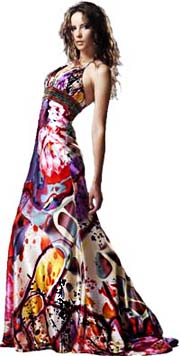
Few pieces of clothing combine comfort, versatility and effortless style quite as well as the maxi dress. Long, flowing and available in almost every fabric, color and silhouette imaginable, it can work for a relaxed summer afternoon, a beach vacation, a dinner date, a wedding or even cooler-weather layering.
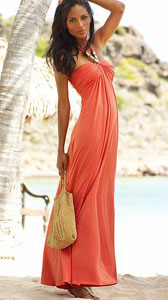
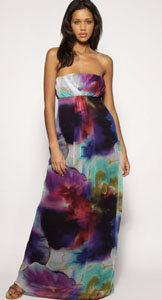
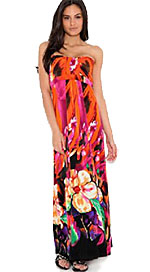
A maxi dress is generally defined as a dress that reaches the ankles or floor. Beyond that simple definition, however, there is enormous variety. Some styles skim the body from shoulder to hem, while others have fitted bodices and loose skirts. There are wrap dresses, empire-waist styles, halter necklines, strapless designs, shirt dresses, tiered skirts and sleek evening versions. That variety is one reason the maxi dress has remained a wardrobe favorite rather than disappearing with a single fashion season.
Why Maxi Dresses Are So Popular
The appeal of a maxi dress is partly its simplicity. It creates an entire outfit in one piece, yet the finished look can change dramatically depending on the shoes, jewelry, bag or outer layer you add. A cotton maxi worn with flat sandals feels casual and relaxed; the same basic silhouette in satin, chiffon or silk can easily become evening wear.
Maxi dresses can also be surprisingly forgiving. A flowing skirt creates a long vertical line, while a defined waist or carefully chosen neckline can bring balance to the figure. The key is not following rigid rules for a particular body type, but finding proportions that work with your height, shape and personal style.
How to Choose the Right Maxi Dress
Pay Attention to Length
A maxi dress should look intentionally long rather than simply oversized. Ideally, the hem should fall around the ankle or close to the floor without constantly getting under your shoes. If a dress is otherwise perfect but several inches too long, hemming it usually produces a much better result than trying to compensate with extremely high heels.
Petite women do not need to avoid floor-length dresses. A well-fitted maxi with a clean vertical line can actually make the body look longer. What matters more is proportion: excessive fabric, very wide tiers or an oversized bodice can overwhelm a smaller frame.
Choose a Silhouette That Gives You the Shape You Want
An empire-waist maxi dress, with the waistline placed just below the bust, can create a soft, flowing silhouette and is useful when you do not want the dress to cling around the natural waist. A wrap dress gives more definition and allows the fit to be adjusted, while an A-line skirt adds movement without creating too much volume.
If you like showing the waist, look for a maxi with shaping through the bodice or add a belt. If you prefer a looser silhouette, choose fabric that drapes rather than something very stiff or bulky. The difference between “flowing” and “shapeless” often comes down to fabric and construction.
Think About the Neckline
The neckline can change the entire impression of a maxi dress. V-necks create a strong vertical line and work especially well when you want to visually lengthen the upper body. Square and sweetheart necklines can frame the shoulders and décolletage beautifully, while halter styles emphasize the shoulders.
If you have a fuller bust, support and fit usually matter more than following a rule about which neckline you are “allowed” to wear. Wider straps, structured bodices and bra-friendly designs can make a maxi dress considerably more comfortable.
Maxi Dresses for Petite Women
Petite women are sometimes told that maxi dresses are only for tall figures. Fortunately, that is one fashion rule worth ignoring. The right maxi dress can create an elegant, uninterrupted vertical line and actually make a petite frame appear taller.
Look for a dress that fits well through the shoulders and bodice rather than one with excessive volume. Solid colors, subtle prints, vertical details and smaller-scale patterns are easy choices, although larger prints can also work when the proportions of the dress are right. A V-neck or higher waist can further lengthen the silhouette.
Footwear can help too, but heels are not mandatory. A platform sandal, wedge or heel can add height for a dressier look, while streamlined flats or sandals work perfectly well when the hem has been tailored to the correct length.
Maxi Dresses for Curvy and Plus-Size Figures
Maxi dresses are particularly good at combining comfort with shape. Instead of hiding the body under a large amount of fabric, look for a dress that follows your proportions and then falls smoothly over them. Wrap styles, defined waists, empire waists and gently shaped A-line skirts are all worth trying.
There is no need to limit yourself to dark colors. Black, deep purple, olive and other rich shades can certainly look elegant, but bright colors, florals and bold prints can be equally flattering. The scale and placement of a pattern often matter more than whether the print is technically “large” or “small.”
For a fuller bust, thicker straps or a supportive bodice may be more comfortable than very delicate spaghetti straps. A V-neck can create a flattering vertical line, while wrap and crossover necklines often provide both definition and flexibility.
Maxi Dresses for Tall and Slender Figures
Taller women can make excellent use of the extra length and volume available in maxi styles. Tiered skirts, bold prints, wide hems and dramatic silhouettes that might overwhelm a smaller frame often look beautifully balanced on a taller figure.
If you want to create more shape, try a defined waist, pleating, ruching, a wide belt or a dress with a fuller skirt. Large florals, graphic patterns and color blocking can also break up the vertical line. On the other hand, a simple monochromatic maxi can create an intentionally sleek and dramatic effect.
How to Wear a Maxi Dress in Summer
Summer is the natural season for the maxi dress. Lightweight cotton, linen, rayon, viscose, jersey and chiffon allow air to circulate while giving more coverage than a short dress. Loose printed maxis are ideal for vacations and relaxed weekends, while simple solid-color dresses can easily move from daytime errands to dinner.
A casual maxi also makes an easy alternative to more conventional summer dresses, particularly when you want something comfortable enough for daytime but polished enough to continue wearing into the evening.
For daytime, pair a maxi with sandals, espadrilles, sneakers or flat leather slides. Sunglasses, a woven or leather bag and understated jewelry are usually enough. A denim jacket, linen shirt or lightweight cardigan is useful when the temperature drops after sunset.
How to Wear a Maxi Dress in Fall and Winter
Maxi dresses are not limited to hot weather. A long dress can be surprisingly practical in fall and winter when layered properly. Knit, jersey and heavier woven fabrics work particularly well, but even lighter dresses can sometimes transition into cooler seasons.
Try a maxi dress with ankle boots or tall boots and add a cropped jacket, cardigan, blazer or coat. A shorter outer layer can emphasize the waist, while a long coat creates a more dramatic uninterrupted silhouette. Scarves and pashminas add warmth without changing the character of the dress.
One of the easiest ways to make a summer maxi work in cooler weather is to keep the dress simple and change everything around it: leather boots instead of sandals, a structured jacket instead of bare shoulders and heavier accessories instead of delicate summer pieces.
How to Style a Maxi Dress for Evening
A maxi dress naturally lends itself to evening wear because its length already creates a sense of occasion. The difference between a casual and formal maxi usually comes from the fabric, cut and accessories rather than the hemline itself.
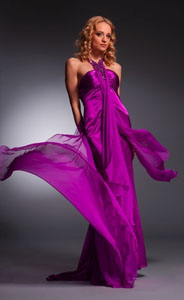
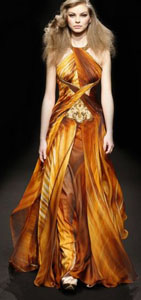
Satin, silk, chiffon, lace, velvet and finely draped fabrics can transform the maxi silhouette into an elegant evening dress. Strapless, halter, one-shoulder and softly draped necklines are particularly common for formal occasions. Maxi silhouettes are also widely used in evening dresses, where floor length can create considerably more drama than a shorter hem.
For an evening look, add a clutch or compact shoulder bag, dressier shoes and jewelry that suits the neckline. A wrap, pashmina or tailored jacket is useful for cooler evenings. If the dress itself is highly embellished or printed, keep the accessories relatively simple; if the dress is minimal, jewelry or a distinctive bag can become the focal point.
What Shoes to Wear With a Maxi Dress
There is no single correct shoe for a maxi dress. The best choice depends on the dress, occasion and hem length. Flat sandals and slides create a relaxed summer look. Sneakers can make a casual cotton or jersey maxi feel modern and practical. Espadrilles and wedges work especially well with vacation and resort styles, while pumps, heeled sandals and elegant flats can accompany more formal dresses.
Boots are an excellent option in colder weather. Ankle boots work with almost any casual maxi silhouette, while knee-high boots can be worn underneath fuller skirts. Whatever style you choose, make sure the dress is the right length for the shoes you actually intend to wear.
Accessories for a Maxi Dress
Because a maxi dress creates a large visual area, accessories can be used either to reinforce its drama or to keep the outfit clean and understated. A wide belt can define the waist, while a slim belt adds structure without dominating the look. Long necklaces complement simple necklines, and statement earrings can be enough jewelry for a printed or formal dress.
Bag size should suit both the occasion and the scale of the outfit. A roomy tote, hobo or woven bag works well during the day, while a clutch or smaller shoulder bag is usually better for evening. There is no need for every accessory to match exactly; complementary colors and contrasting textures often make an outfit more interesting.
Scarves and shawls are especially useful with maxi dresses because they add another layer without competing with the long silhouette. Lightweight silk or cotton scarves suit warmer weather, while wool, cashmere and pashmina-style wraps make the dress easier to wear in cooler seasons.
Prints, Colors and Fabrics
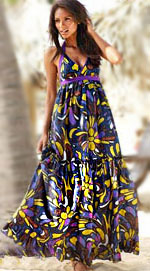
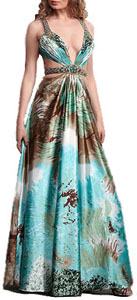
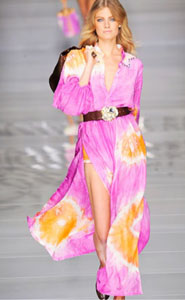
Maxi dresses appear in almost every imaginable print, from florals and tropical motifs to geometric designs, stripes and animal prints. A printed maxi can function as the centerpiece of an outfit, requiring very little additional styling. Solid dresses are more adaptable and make it easier to change the character of the outfit through accessories.
Fabric is just as important as color. Cotton and linen feel relaxed and natural, jersey is comfortable and easy to wear, rayon and viscose can provide fluid drape, and chiffon creates movement with very little visual weight. Satin, silk, lace and velvet tend to feel more formal, although modern styling increasingly mixes traditionally formal fabrics with casual accessories.
How to Shop for a Maxi Dress
When buying a maxi dress, start with fit rather than trend. Check the shoulder width, bust, waist placement and overall length. Make sure you can walk comfortably and that the skirt does not restrict your stride. If the dress has a low neckline or unusual straps, consider which bra or undergarments you will wear with it before deciding whether the design is practical for you.
When shopping online, do not rely solely on the size printed on the label. Compare your measurements with the retailer’s size chart and read the fabric description carefully. A dress containing stretch may fit very differently from one made of non-stretch woven cotton, even when both carry the same size.
It is also worth checking the model’s height and the stated dress length. This gives you a better idea of where the hem may fall on your own body and whether alterations are likely to be necessary.
A Maxi Dress Should Feel Like Your Dress
The strongest feature of the maxi dress is its adaptability. There is no single body shape, age, season or occasion for which it is reserved. It can be minimal or romantic, bohemian or polished, fitted or flowing, casual enough for the beach or sophisticated enough for a formal evening.
Instead of treating maxi-dress styling as a list of rigid fashion rules, use proportion, fit and comfort as your guide. Choose a length you can actually walk in, a neckline you enjoy wearing and a fabric appropriate for the weather and occasion. From there, shoes and accessories can take the same dress in completely different directions.
That versatility is what has kept the maxi dress relevant for so long. It is not simply a summer trend or a special-occasion silhouette. A well-chosen maxi dress can become one of those rare wardrobe pieces that is easy to wear, flattering and genuinely useful year after year.